How Pruning Helps Trees Stay Healthy and Disease-Free
Tree diseases can be a major concern for both property owners and landscapers. They affect the health of trees, leading to potential hazards if not managed properly. Understanding how to prevent these diseases is crucial. One effective way to manage them is by keeping your trees well-maintained. Regular maintenance helps in detecting early signs of disease, ensuring that corrective actions are taken timely. This process not only saves trees but also enhances the safety and beauty of the surroundings.
Why Pruning Matters
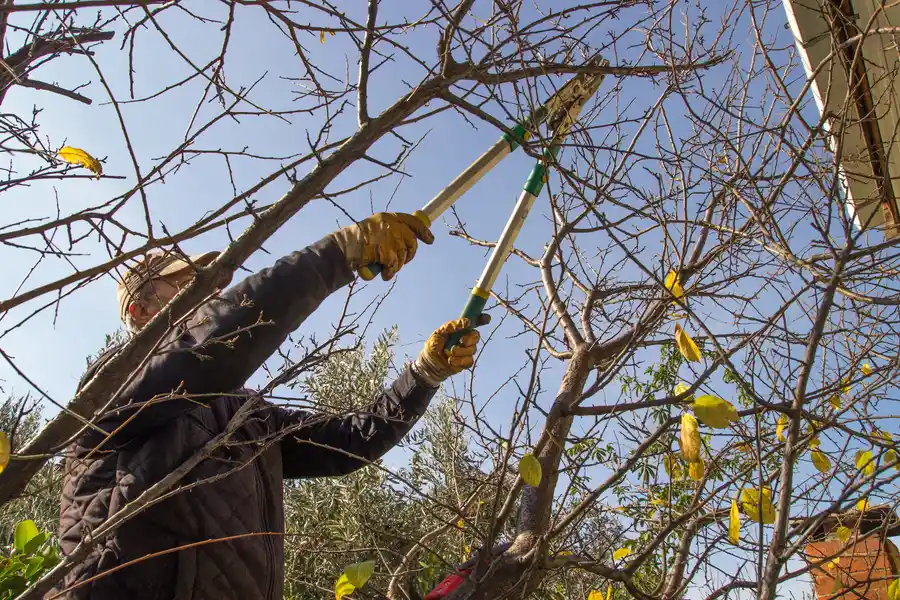
Pruning helps improve a tree’s structure and strength by removing dead or weak branches. By cutting away these parts, you allow more light and air to reach healthier areas of the tree. This process is essential as it reduces the likelihood of disease spread. Proper pruning techniques ensure that trees grow robustly and remain less prone to infections. Thus, focusing on this activity is crucial for maintaining overall tree health.
The Impact of Tree Trimming on Disease Control
tree trimming plays a significant role in managing tree diseases. It involves selectively cutting parts of the plant to enhance its health and appearance. When done correctly, it helps eliminate diseased branches, reducing infection risks. Additionally, it aids in identifying initial stages of decay or illness, allowing for prompt treatment. The positive effect on tree vitality is undeniable, making it an indispensable part of landscape management.

Understanding How Trimming Prevents Infections
Another benefit of tree trimming is the prevention of fungal infections. Fungi thrive in dark, moist environments often found within dense tree canopies. By thinning out crowded branches, sunlight penetrates deeper into the canopy. This increase in light exposure helps dry up moisture, hindering fungal growth. Therefore, regular trimming acts as a natural barrier against harmful pathogens invading your greenery.
Common Signs of Tree Diseases
Recognizing symptoms early is vital for effective disease management. Some common signs include wilting leaves, unusual spots on foliage, and peeling bark. If you notice any of these symptoms, it might indicate an underlying issue needing attention. Staying vigilant about such changes can help catch problems before they escalate, saving time and resources in the long run.
Steps to Effective Tree Maintenance
- Inspect trees regularly for signs of disease or decay.
- Use clean tools to avoid spreading infections between trees.
- Apply appropriate fungicides or treatments when necessary.
- Ensure proper disposal of infected debris to prevent contamination.
Best Practices for Tree Care
Caring for trees goes beyond just cutting branches. It’s important to follow best practices like using the right tools and timing your trims appropriately. Performing cuts during dormant seasons minimizes stress on trees. Furthermore, hiring professionals ensures that trimming is executed safely and effectively, maximizing benefits while mitigating risks.
Financial Considerations in Tree Management
Caring for trees may seem costly initially; however, it offers significant returns over time. Investing in professional services protects properties from potential damage caused by falling branches or diseased trees. Moreover, healthy trees increase property value and aesthetic appeal, providing financial advantages in future sales or valuations.
Your Partner in Maintaining Healthy Trees
Keeping your landscape healthy requires expertise and dedication. At Alonso Landscaping and Construction, we understand the importance of maintaining vibrant and disease-free trees. Our team offers comprehensive services tailored to meet your needs. Based in Middletown, NY, our specialists ensure reliable solutions for all your tree care concerns. Contact us at (845) 283-9604 today to learn more about how we can assist you in achieving a flourishing outdoor space.